

Casino Pattern Recognition: Reading Welcome Offers Without the Hype
You’ve seen the ads promising free spins and deposit boosts, but the real skill is spotting what’s actually inside the fine print. Casino pattern recognition is less about luck and more about noticing how welcome deals are built, where the wagering sits, and which games count toward clearing it. If you’re playing from Darwin or anywhere across the continent, the same offer rules apply, but the clock you’re watching might be ticking in a different time zone.
How Welcome Offers Are Structured
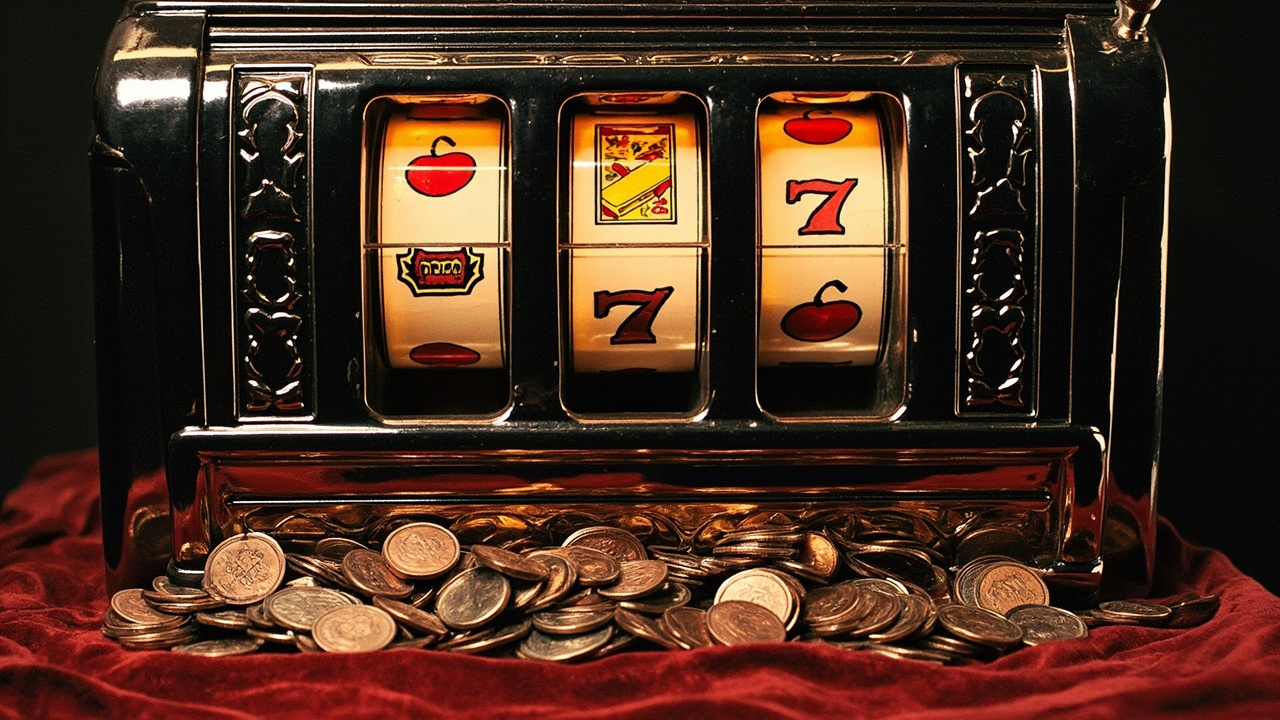
A decent welcome package usually splits into two parts: a deposit match and a set of free spins, each with its own wagering multiple, eligible game list, and expiry window. The match portion often runs at thirty-five times the bonus plus deposit, while the spin winnings frequently carry a separate twenty times requirement before they become withdrawable cash. Contribution rates matter just as much as the multiplier, because slots usually count at full value while table games and live dealers sit at ten to twenty percent, if they’re allowed to count at all.
I’ve sat across from operators setting up treasury controls and investor reporting, and the same discipline applies here: you map the offer’s flow before you commit a single dollar. That means checking whether the bonus is credited in stages, whether there’s a maximum bet cap while the playthrough is active, and whether the casino applies a withdrawal lock until the terms are met. A tidy offer won’t hide those details behind vague marketing copy, and it will spell out the currency you’re playing in, the payment methods that qualify for the boost, and the exact hour the clock starts ticking.
If you want a concrete example of how a themed slot sits inside a broader game library, you can compare the layout on the indian dreaming pokie machine page, where the game’s paytable and volatility sit next to the broader bonus eligibility notes. That kind of side-by-side reading helps you spot whether a welcome deal is built around low-variance titles that drip-feed progress, or higher-variance games that can clear a multiplier quickly but also burn through a balance just as fast.
What the Wagering and Limits Actually Mean
Reading the Multiplier Without the Spin
The wagering number is the first thing to test, because a thirty-five times requirement on a fifty dollar deposit plus bonus isn’t the same as thirty-five times on a two hundred dollar package. You work out the total playthrough amount, then check the game contribution table to see how fast your bets actually move the needle. A slot contributing one hundred percent means every dollar wagered counts in full, while a blackjack table at fifteen percent means you’d need to wager roughly six times more on that game to match the same progress. The maths isn’t hard, but it does stop you from assuming a bigger bonus is automatically a better deal.
Which Games Count and Where They Don’t
Bonus terms usually carve out a shortlist of eligible titles, and that shortlist often leans toward a specific provider’s library or a curated set of pokies with lower house edges built into the promotional maths. Live dealer tables, some jackpot games, and certain specialty titles frequently sit outside the eligible list, which means betting on them during the playthrough can stall your progress or even breach the terms. If you’re used to reading governance documents for cross-border funds, you’ll recognise the same pattern: the rules look broad until you find the carve-outs that actually drive the outcome. Thesaturdaypaper

Time Windows, Bet Caps, and Payout Limits
Most welcome deals run on a strict expiry, often seventy-two hours for the bonus and a separate window for any free spin winnings, though some operators stretch that to a week or tie it to your last active session. A maximum bet limit while the bonus is active is standard, usually set around five dollars per spin or hand, and breaking that cap can void the remaining playthrough. Payout caps also appear on some promotions, capping the cashout from free spins at a fixed amount regardless of how well the session goes. You don’t need to treat those limits as deal-breakers, but you do need them on the table before you decide the offer is worth your time.
Who This Style of Offer Suits Best
Casino pattern recognition works best for players who like to map the terms before they play, rather than chasing the biggest headline number. If you’re the type who checks contribution rates, notes the expiry, and picks games that actually move the playthrough, a structured welcome deal can give you a measured stretch of play without pretending the house edge has disappeared. If you prefer quick, unstructured sessions or you’re playing for the sake of a single big spin, the same offer can feel more like a set of rules than a boost.
From a Darwin perspective, the local rhythm matters more than the headline. You might be sitting down in the arvo with the AEST clock ticking, while the operator’s terms reference a different server time, and that three-hour gap across the continent can throw off when a bonus window actually closes. No worries if you keep a note of your own start time and check the expiry against your local clock, because a clear read on the schedule is worth more than a flashy promotion that expires before you’ve finished your first coffee.
The same careful approach applies if you’re comparing how different operators handle recurring promos, loyalty tiers, and mobile registration flows. A clean sign-up process, a transparent payment list in Australian dollars, and a support team that can answer a terms question without dodging are all part of the same pattern. You’re not looking for a perfect deal, because those don’t really exist; you’re looking for one where the conditions are visible, the limits are reasonable, and the games you actually want to play count toward the playthrough. Timeout
Reading the Offer Once, Then Playing Your Way
The useful habit is to read the welcome terms once, note the multiplier, the eligible games, the bet cap, and the expiry, then decide whether the offer fits the way you actually play. If the numbers line up with your usual session size and game choice, the bonus becomes a practical extension of your bankroll rather than a separate puzzle. If they don’t, there’s no shame in skipping it and sticking to your own pace, because a clear read on the terms is worth more than a rushed deposit into a deal that doesn’t suit your style.


